More and more people choose vegan cosmetics – not only because of what they eat, but because they want to know exactly what goes onto their skin and hair. But what does “vegan” really mean on a beauty label, how is it different from “cruelty-free”, and how can you tell which products are vegan? This guide answers all of it.
What does vegan cosmetics mean?
A vegan cosmetic product contains no ingredients of animal origin – nothing taken from animals and nothing produced by them. Instead, it relies on plant and mineral ingredients: oils and butters from seeds and nuts, plant waxes, flower waters, clays and essential oils.
Vegan is about ingredients. It does not automatically tell you how a product was tested – that is what “cruelty-free” describes.
Vegan, cruelty-free and natural: what is the difference?
| Term | What it means | What it does not guarantee |
|---|---|---|
| Vegan | No animal-derived ingredients | That the product was never tested on animals |
| Cruelty-free | Not tested on animals | That it contains no animal ingredients (it may still contain honey or beeswax) |
| Natural | Mostly ingredients of natural origin | That it is vegan – honey and beeswax are natural too |
The ideal combination for many people is a product that is both vegan and cruelty-free. None of the Vilana Natural Beauty products are tested on animals.
Animal-derived ingredients to look out for
On the ingredients list (INCI) these are the most common ones:
- Beeswax – listed as Cera Alba
- Honey – listed as Mel
- Lanolin – from sheep’s wool
- Carmine – a red colour from insects, listed as CI 75470
- Silk proteins – for example sericin or silk extract
- Marine collagen – from fish
- Milk proteins and some forms of squalene and keratin, which can be of animal origin
Plant-based alternatives
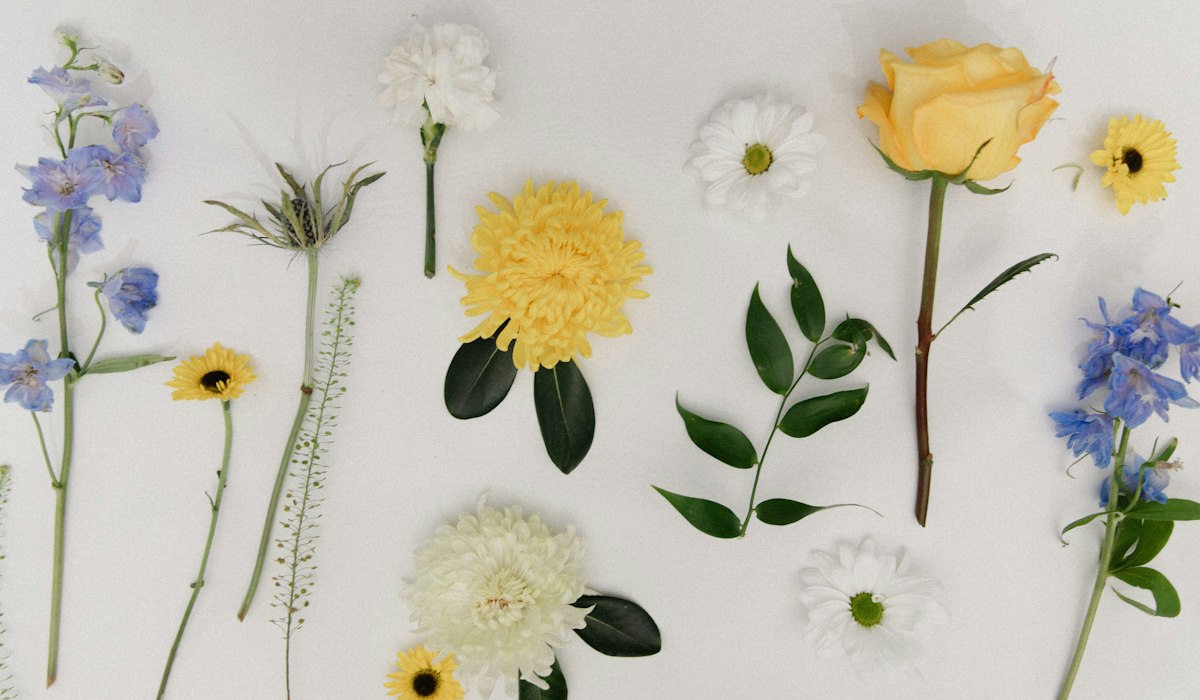
Almost every animal ingredient has a plant alternative that works just as well:
- Plant waxes such as candelilla or carnauba instead of beeswax
- Plant oils and butters – shea, cocoa, almond, jojoba – for nourishment
- Plant glycerin and aloe vera for moisture
- Olive-derived squalane instead of shark squalene
- Plant proteins, for example from wheat, soy or rice, instead of animal keratin or collagen
How to recognise vegan Vilana Natural Beauty products
- Look for the green “Vegan Friendly” logo on the main product photo.
- Check the ingredients list – it is available on every product page before you buy.
- Products with honey, beeswax, silk extract or marine collagen do not carry the “Vegan Friendly” label.
One of our vegan favourites, the Mint Conditioner, even won a silver medal at the Free From Skincare Awards – read the story here.
Is vegan always better for your skin?
Not automatically. A vegan product can still contain ingredients your skin does not like, and some people react to certain plant extracts or essential oils. What matters is a good formula that suits your skin type. If your skin is sensitive, choose gentle products and always do a patch test before using something new.
Why vegan beauty matters
For many people, vegan cosmetics are a way to live more in line with their values: kinder to animals and often lighter on the planet, because plant ingredients usually have a smaller environmental footprint. It is less a trend and more a conscious everyday choice.
Frequently asked questions
Is vegan the same as cruelty-free? No. Vegan refers to ingredients, cruelty-free to animal testing. Look for both if both matter to you.
Can a natural product contain honey or beeswax? Yes. They are natural, but not vegan.
Are vegan cosmetics suitable for sensitive skin? Often yes, but it depends on the formula. Always read the ingredients and do a patch test.
Where can I see the ingredients? On every product page, under the product description.
In short
Vegan cosmetics contain no animal-derived ingredients, while cruelty-free means no animal testing. Check the ingredients list, look for the green “Vegan Friendly” logo and choose formulas that suit your skin.
Explore our natural shampoos and face care – handmade in Scotland and never tested on animals.